
What Are the Two Types of Fitness?
Fitsource is a trusted resource for organizations and individuals looking to create healthier and more active lifestyles. Fitness is a broad concept that includes different physical abilities, but it is commonly divided into two major categories: health-related fitness and skill-related fitness.
Understanding these two types can help individuals and organizations create more balanced fitness programs that support both physical health and functional performance.
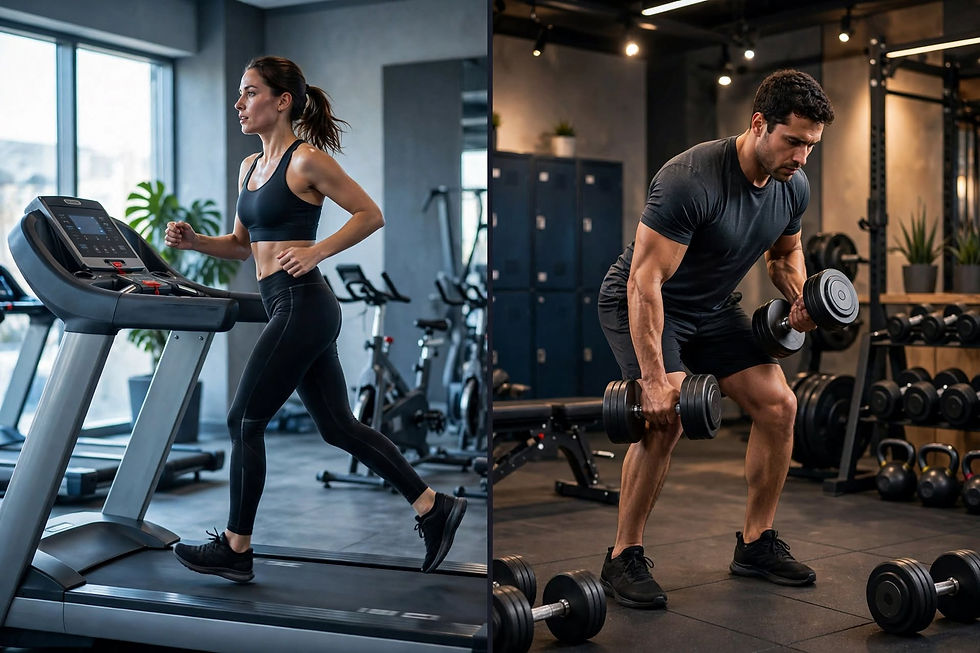
1. Health-Related Fitness
Health-related fitness focuses on physical abilities that contribute to overall health and help the body function effectively.
The main components include:
Cardiovascular Endurance: The ability of the heart and lungs to support sustained physical activity.
Muscular Strength: The ability of muscles to produce force.
Muscular Endurance: The ability of muscles to perform repeated movements over time.
Flexibility: The ability of joints and muscles to move through an appropriate range of motion.
Body Composition: The proportion of fat, muscle, bone, and other tissues in the body.
These components are important for maintaining physical health and supporting everyday activities.
Workplace Benefit: Health-related fitness can help employees maintain physical capability, stay active, and develop healthier lifestyle habits.
2. Skill-Related Fitness
Skill-related fitness focuses on physical abilities that can improve performance in sports, recreation, and other activities.
The main components include:
Agility: The ability to change direction and position quickly.
Balance: The ability to maintain control of the body while stationary or moving.
Coordination: The ability to use different parts of the body together efficiently.
Power: The ability to produce force quickly.
Reaction Time: The ability to respond quickly to a stimulus.
Speed: The ability to perform a movement or travel from one point to another quickly.
Skill-related fitness is particularly important for athletes, but these abilities can also contribute to functional movement and physical confidence.
Workplace Benefit: Activities that develop balance, coordination, agility, and reaction time can support employees' overall physical capabilities.
Health-Related vs. Skill-Related Fitness
The two categories have different primary purposes.
Health-Related Fitness: Focuses primarily on maintaining and improving overall physical health.
Skill-Related Fitness: Focuses primarily on movement skills and physical performance.
A well-rounded fitness program can include elements of both.
How Can Companies Include Both Types of Fitness?
Corporate wellness programs can incorporate health-related and skill-related fitness through a variety of activities.
Strength Training: Develop muscular strength and endurance.
Cardio Sessions: Improve cardiovascular endurance.
Mobility and Stretching: Support flexibility and movement.
Functional Training: Combine strength, balance, coordination, and mobility.
Fitness Challenges: Encourage employees to participate consistently.
Group Activities: Use recreational sports and movement-based sessions to develop skill-related fitness.
Using Fitsource, organizations can create structured workplace fitness and wellness programs that address different employee needs and fitness levels.
Building a Balanced Fitness Program
Understanding the two major types of fitness makes it easier to create a complete approach to physical wellness.
Health-related fitness helps support overall health and physical capacity, while skill-related fitness develops movement abilities that can improve physical performance.
Combining both areas can help individuals become stronger, more capable, and more confident in everyday movement.
Fitsource provides corporate fitness and wellness solutions designed to help organizations create healthier and more active workplace environments.
FAQ
What are the two main types of fitness?
The two main types are health-related fitness and skill-related fitness.
What is health-related fitness?
Health-related fitness includes cardiovascular endurance, muscular strength, muscular endurance, flexibility, and body composition.
What is skill-related fitness?
Skill-related fitness includes agility, balance, coordination, power, reaction time, and speed.
Which type of fitness is more important?
Neither is universally more important. The appropriate focus depends on an individual's goals. A balanced fitness program can include components of both.
Can corporate fitness programs include both types?
Yes. Companies can combine strength training, cardio, mobility, functional training, recreational activities, and fitness challenges to address both health-related and skill-related fitness.


Comments